

Glaucoma Care
At Dr.MM Eye Care, we provide specialised glaucoma management combining advanced diagnostics and personalised treatment. Our goal is to protect your vision and maintain long-term eye health.
At Dr.MM Eye Care, we prioritise protecting your vision with consultant-led glaucoma management. Using advanced diagnostic tools and targeted treatment strategies, we aim to slow or prevent further vision loss while providing personalised care that you can trust. Early detection and expert intervention are key to preserving long-term eye health.
Understanding Glaucoma
Glaucoma is a group of eye conditions that damage the optic nerve, often linked to elevated pressure within the eye. If untreated, it can lead to irreversible vision loss. While it can affect anyone, glaucoma is more common with increasing age, a family history of the condition, or certain medical conditions such as diabetes.
Common Symptoms of Glaucoma
- Gradual loss of peripheral (side) vision
- Tunnel vision in advanced stages
- Eye pain or pressure (in some types)
- Blurred vision or halos around lights
- Frequent headaches or nausea with acute glaucoma
Causes and Risk Factors
- Age over 40
- Family history of glaucoma
- High intraocular pressure
- Diabetes or cardiovascular disease
- Long-term use of corticosteroid medications
Preventive Measures
Schedule regular comprehensive eye exams.
Monitor blood pressure and blood sugar levels.
Maintain a healthy lifestyle with regular exercise.
Avoid smoking and limit alcohol consumption.
Use protective eyewear in sports and hazardous activities.
Why Choose Dr.MM Eye Care for Glaucoma?
Expertise
Decades of consultant-led experience in glaucoma care.
Advanced Technology
Modern diagnostics and surgical equipment for precise and safe treatment.
Personalised Care
Tailored treatment plans designed to suit your unique eye health needs.
Comprehensive Support
Guidance and care from your first consultation to ongoing management.
Our Glaucoma Treatment Process
Step 1 β Initial Consultation and Assessment
Comprehensive evaluation of your eyes to assess optic nerve health and eye pressure.
Read more
- Conduct a detailed eye examination including optic nerve assessment.
- Measure intraocular pressure and evaluate visual fields.
- Discuss your symptoms, medical history, and lifestyle.
- Explain treatment options and answer your questions.
Step 2 β Tailored Treatment Plan
A customised plan is designed based on your diagnosis and condition severity.
Read more
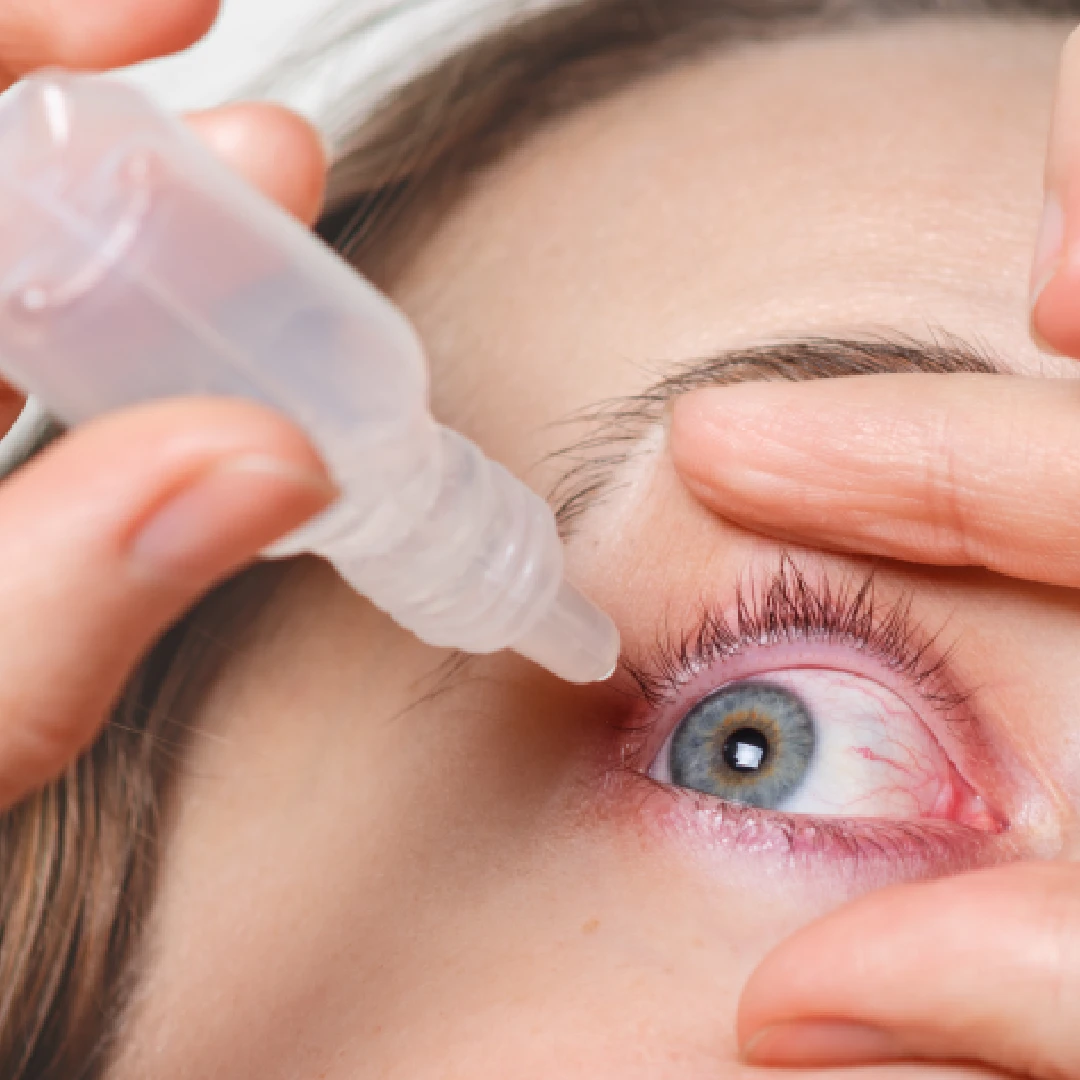
- Medicated eye drops to reduce eye pressure.
- Laser treatments, including selective laser trabeculoplasty if suitable.
- Minimally invasive or conventional glaucoma surgery for advanced cases.
Step 3 β Glaucoma Procedures
Laser or surgical treatment performed with precision and patient comfort as top priorities.
Read more
- Application of local anaesthesia or eye drops.
- Precise laser or microsurgical techniques to improve fluid drainage or reduce pressure.
- Post-procedure monitoring to ensure safety and effectiveness.
Step 4 β Post-Treatment Care
Dedicated follow-up and recovery guidance to maintain optimal results.
Read more
- Detailed aftercare instructions for medication and activity.
- Follow-up appointments to monitor eye pressure and vision.
- Guidance on recognising warning signs or side effects.
Recovery Timeline:
- Most patients resume normal activities within 1β2 days after laser treatment.
- Surgical recovery may take 2β4 weeks, depending on the procedure type.
Benefits
- β Protects remaining vision and slows disease progression.
- β Reduces eye pressure safely and effectively.
- β Personalised care tailored to your needs.
Potential Side Effects
- β οΈ Mild discomfort or eye redness.
- β οΈ Temporary blurred vision.
- β οΈ Light sensitivity in the first few days.
- β οΈ Medication side effects (if applicable).
- β οΈ Rare complications, closely monitored by the consultant.
Frequently Asked Questions (FAQ)
Will glaucoma treatment restore lost vision?
Β No, treatment preserves existing vision but cannot restore what is already lost.
Is glaucoma surgery painful?
Β Most procedures are comfortable with local anaesthesia or drops.
How often will I need follow-ups?
Usually every 3-6 months, depending on your eye pressure and treatment plan.
Can I stop eye drops after treatment?
Only under consultant guidance; stopping medication prematurely can be risky.
Will treatment affect daily activities?
Β Most patients resume normal routines quickly, with minimal disruption.
